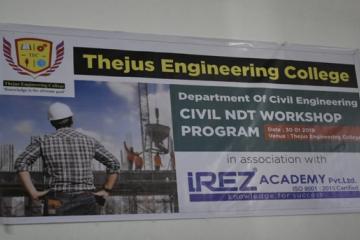
Since its inception in 2009, the Department of Civil Engineering has grown into a full-fledged department and has continually upgraded itself in terms of academic programs and infrastructure including state-of-the-art laboratories. The department has justifiably provided itself on the quality of its academic programmes and is keeping pace with the latest developments in engineering education.
The department offers Bachelor’s Degree in Civil Engineering with student intake of 60 and Master’s degree in Geotechnical Engineering with an intake of 18 students .
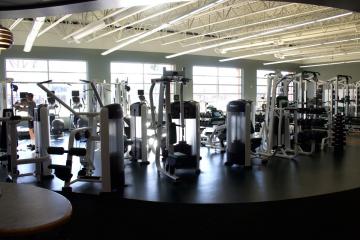
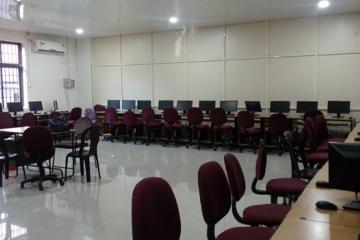
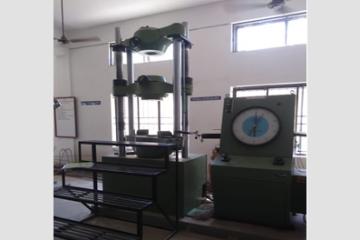
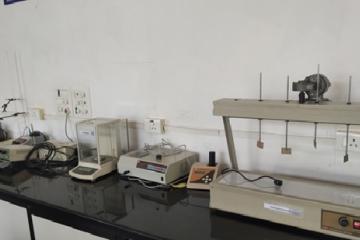
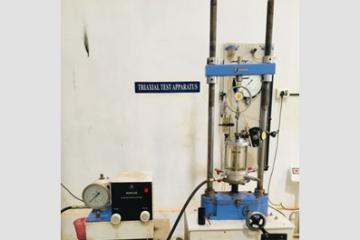
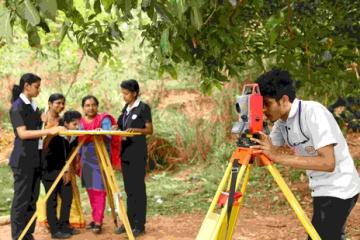
This department has well equipped labs and workshops to impart practical training to the students. These include Material Testing lab, Geotechnical Engineering lab, Environmental Engineering lab, Transportation Engineering lab, Surveying lab and Software labs for extensive training to both the Undergraduate and Postgraduate students.
Our students are well placed in India and abroad and have also gone for higher studies.
PROGRAM SPECIFIC OUTCOMES (PSO)
1. To provide students a solid foundation in key Civil Engineering disciplines.
2. To plan, analyze, design and provide solutions for various Civil Engineering problems.
3. To train students to be employable and to pursue higher education or research in various Civil Engineering disciplines
To be one of the best institutions offering Civil Engineering education with social commitment and potential to execute professional and research activities.
To provide quality education in Civil Engineering for producing the competent technical manpower capable of contributing to the sustainable, infrastructural development for wellbeing of the nation.
| Post Held | Institution/Organization | Period |
|---|---|---|
| Graduate Engineer | Larsen & Toubro Ltd., Mumbai | 1986 to 1987 |
| Administrative Officer (Engg.) | Bharat Petroleum Corporation Ltd., Chennai | 1988 to 1989 |
| Lecturer in Civil Engg. | Govt. Engg. College Trichur | 1989 to 1992 |
| Lecturer in Civil Engg. | Govt. College of Engg. Kannur | 1992 to 1997 |
| Lecturer in Civil Engg. | Govt. Engg. College Trichur | 1997 to 1999 |
| Asst. Professor of Civil Engg. | Govt. College of Engg. Kannur | 1999 to 2002 |
| Asst. Professor of Civil Engg. | Govt. Engg. College Trichur | 2002 to 2005 |
| Associate Professor of Civil Engg. | Govt. Engg. College Trichur | 2006 to 2008 |
| Professor of Civil Engg. | Govt. Engg. College Trichur | 2008 to 2016 |
| Principal | Govt. Engg. College Idukki | 2016 to 2019 |
| Professor of Civil Engg. | Govt. Engg. College Trichur | 2019 to 2020 |
| Professor of Civil Engg. | Thejus Engg. College Trichur | 2020 to 2022 |
| Principal (in Charge) | Thejus Engg. College Trichur | 2022 onwards |
| Degree | Institute | Year | Class/Grade | Field/Discipline |
|---|---|---|---|---|
| UG (B. Tech.) | REC Calicut | 1986 |
First Class with Honours & 1st Rank |
Civil Engg. |
| PG (M. Tech.) | IIT Delhi | 1993 | 1st Rank | Structural Engg. |
| Ph. D. | NIT Calicut | 2008 | - | Structural/Geotechnical Engg. |
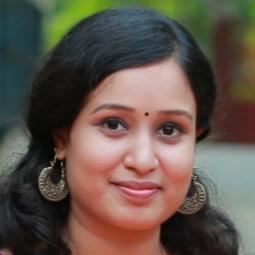
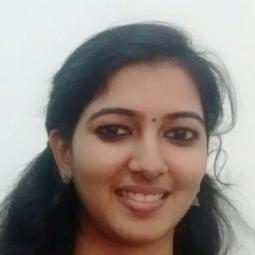
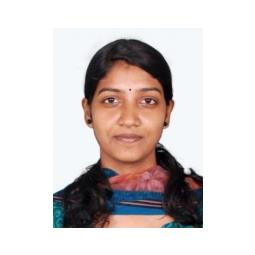
.jpg)
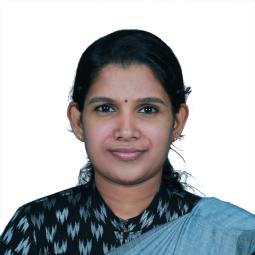
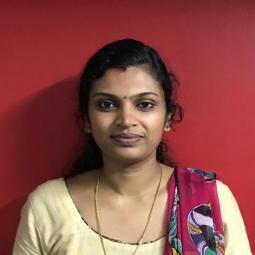
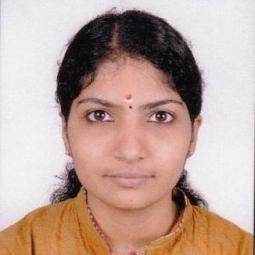
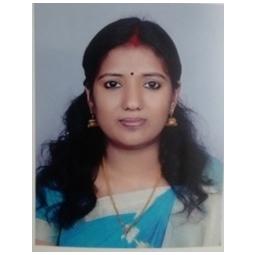
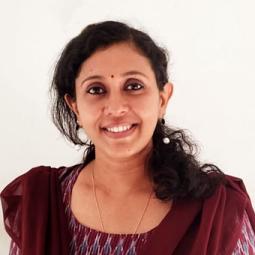
Cinta Joseph Choondal (S3 CE) – Won second prize in Ezone Chess Games.
Devika M Panicker (S3 CE) - Won second prize in Ezone Chess Games.
Nabhan K (S3 CE) - Won first prize in Intercollegiate Kabidi Tournament Pecsaga
Farah V M (S7 CE) – Thrissur district topper in KTU results till fifth semester with CGPA 9.2
Famitha N V (S7 CE)-successfully completed the NPTEL online certification course on Enhancing soft skills and personality with a consolidated score of 95%.
Book Magic software is used to access books in the library.
A paper was presented on “ Identification of Factors Affecting Labour Productivity And Development Of Multiple Linear Regression Prediction Model Of Concrete Solid Block Work In Residential Buildings” on National Level Technical Project Competition on Innovations in Design and Engineering Award (IDEA -2018) by Aswathy Palissery, Gopika P.D, Kamaljith R, Lakshmi K.M, Manjima Mohan Guided by Mrs. Reshma Jaipal.
The following B-Tech students secured the following positions in University Exams.
Riya R – 13th position
Geethu Gopalakrishnan -35th position
Aneesha C A -41st position
Keerthana K R -47th position
Anju T S – 48th position
Aiswary M S- 55th position
KTU CE Syllabus